
Guide · 8 min read
The 30-Minute Wardrobe Audit for Men
Reset your closet, dress better, and stop wasting money in just 30 minutes.
How to Reset Your Closet, Dress Better, and Stop Wasting Money
Do you stand in front of a full closet and still think "I have nothing to wear"?
Not because you don't own enough clothes. But because nothing feels intentional, some pieces don't fit right, and some don't match anything. Some belong to a version of you from five years ago. So you default to the same outfit on repeat.
That frustration isn't about style. It's about structure.
This 30-minute wardrobe audit for men will help you organize your closet fast, identify what you actually wear, build better outfits from what you already own, and stop buying clothes you don't need.
No extreme minimalism. No throwing everything away. No complicated capsule wardrobe spreadsheets.
Just clarity.
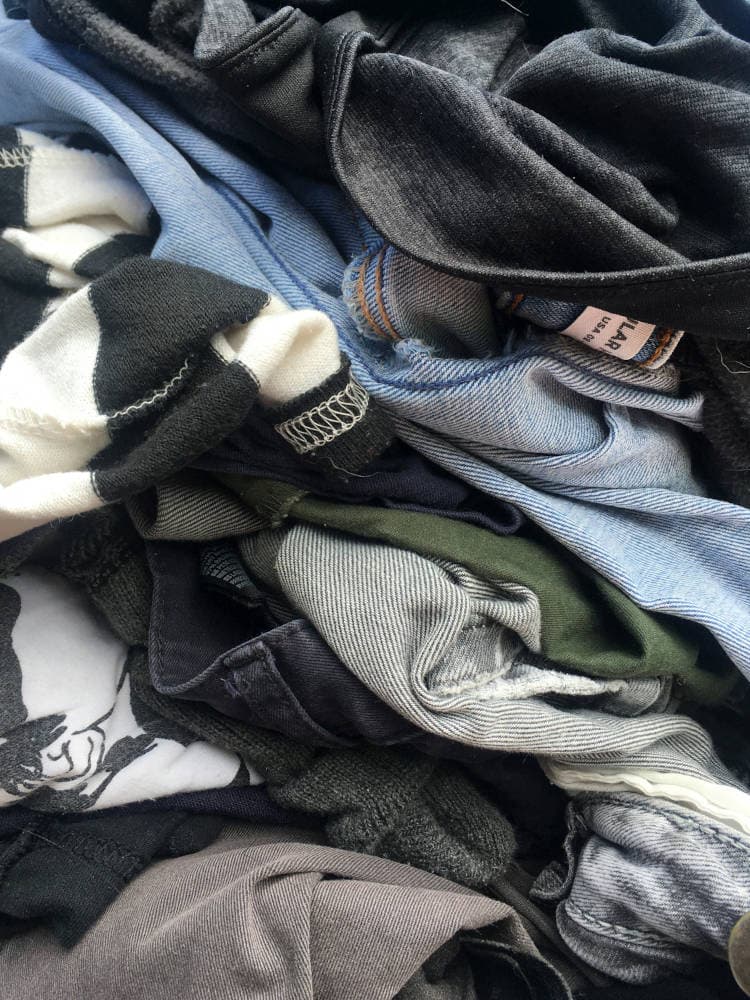
Before deciding what stays, see everything at once. Volume creates noise; visibility creates decisions.
Why Most Men's Wardrobes Don't Work
Most guys don't intentionally build a wardrobe, they accumulate one.
You make sale purchases, buy "just in case" items, chase trend pieces, and end up with duplicates of the same basic shirt. Over time, your closet becomes crowded — but not cohesive.
You might own 60+ items, but only wear 15–25 consistently. That gap is where money gets wasted, and where style breaks down.
A wardrobe audit fixes that.
A crowded closet is often a decision problem, not a quantity problem.
The 30-Minute Wardrobe Audit for Men
Step 1 (10 Minutes): Take Everything Out
To properly organize your closet, you need to see it. Pull out shirts, pants, jackets, shoes, sweaters, and accessories. Lay everything on your bed or floor.
Seeing the full volume is important. Most men underestimate how much they actually own.
Step 2 (10 Minutes): Sort Into 3 Simple Categories
Move fast. Don't overanalyze.
- Wear Weekly: These are your core pieces. They fit properly, match multiple items, feel natural to wear, and work for your current lifestyle. This pile is your real wardrobe.
- Wear Sometimes: Occasional pieces. Ask yourself: Would I buy this again today? Does this match at least 3 other items? Do I enjoy wearing it — or just tolerate it? If it fails two of those tests, it's not pulling its weight.
- Never Wear: Be honest. Common reasons include: doesn't fit, bought on impulse, outdated, "too nice" to wear, or saving it for a different life stage. If you haven't worn it in the last year, it's not essential. Decluttering your wardrobe starts here.
Step 3 (5 Minutes): Identify Your Core Style
Look only at the "Wear Weekly" pile. You'll notice patterns: 2–3 dominant colors, similar silhouettes, similar fabrics, similar comfort level.
This is your actual style. Not the Pinterest version. Not the trend version. The real one.
Understanding this is the foundation of a minimalist wardrobe for men, even if you don't consider yourself a minimalist.
Step 4 (5 Minutes): Build 5 Complete Outfits
Using only your core pieces, build five outfits. Full outfits include top, bottom, shoes, and outerwear (if needed).
If you can build 5 strong combinations easily: Your wardrobe works.
If you struggle: You don't need more clothes. You need better cohesion. That's how a men's capsule wardrobe actually begins — by identifying strong combinations first.

Use the Wear Weekly / Wear Sometimes / Never Wear system to remove guesswork and identify your true core rotation.
How Many Clothes Does a Man Actually Need?
After completing this wardrobe audit, most men discover they consistently wear 15–25 core items and own nearly double what they use. Their best outfits are built from repeatable basics.
You don't need fewer clothes. You need better overlap between them. That's the difference between clutter and a functional wardrobe.
What To Do After the Audit
Remove the "Never Wear" Pile
Donate it. Sell it. Box it up. Just remove it from daily rotation.
Physical space creates mental clarity.
Upgrade With Intention
Instead of buying randomly, ask: What would strengthen my 5 core outfits?
Examples: A better-fitting pair of trousers, one versatile casual jacket, a neutral sneaker or leather shoe, a quality knit you can layer.
Buy to reinforce your system; not expand it.
Track What You Wear for 2 Weeks
Write it down, or take mirror photos. Patterns appear quickly.
This simple habit prevents impulse purchases and helps you build a smarter wardrobe over time.
If an item does not strengthen real outfits, it weakens your wardrobe.
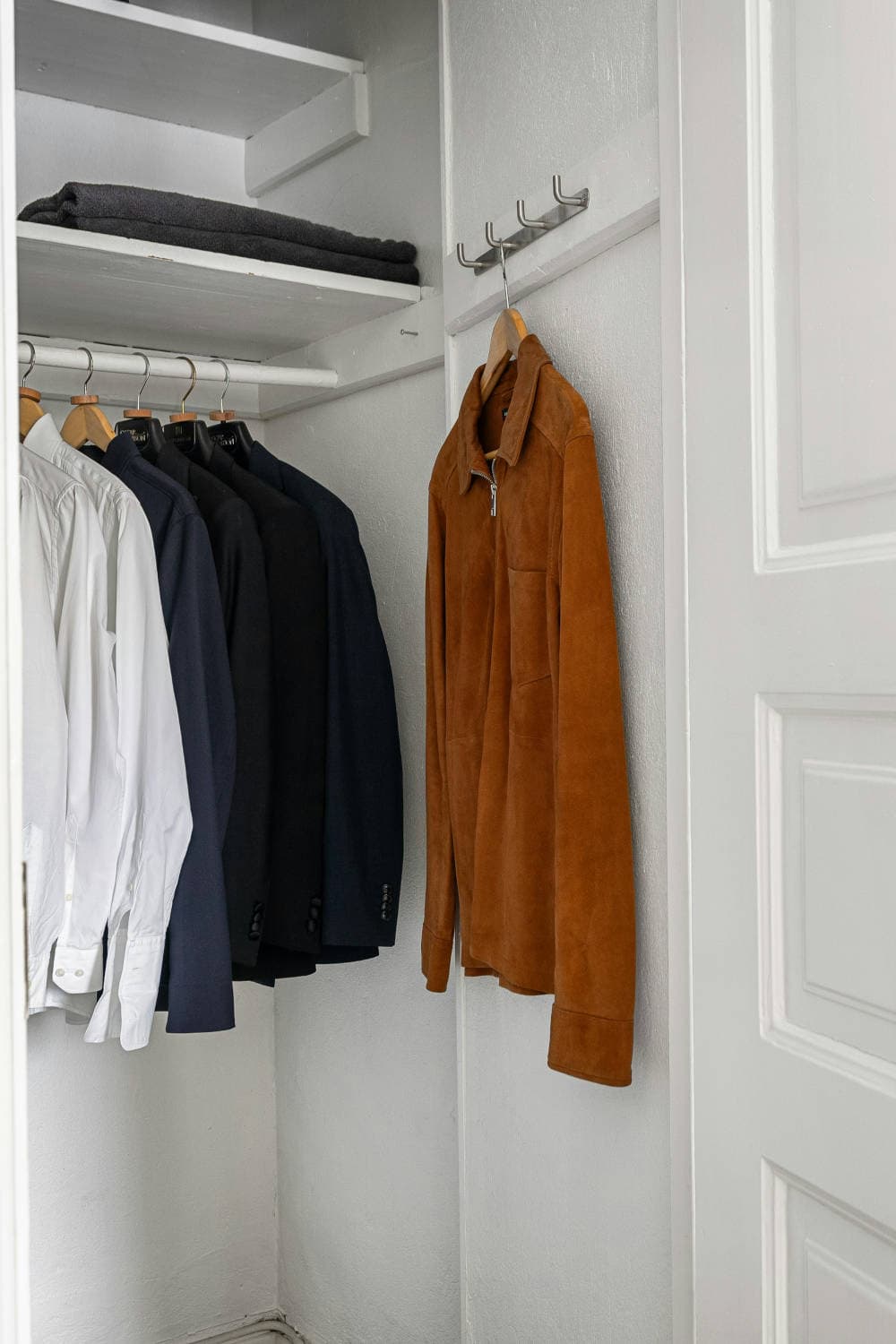
A lean wardrobe with stronger overlap makes daily outfit decisions simpler and more consistent.
Why This Wardrobe Audit Works
Because style isn't about quantity. It's about repeatable combinations.
When your wardrobe is intentional, getting dressed becomes automatic, you stop overspending, you look more consistent, and you feel more put together.
You stop chasing trends and start dressing like yourself.
Where Attir Fits In
A wardrobe audit identifies what you wear. But maintaining it without structure is difficult.
Attir helps you track wear frequency, identify weak combinations, plan intentional purchases, build consistent outfits, and maintain discipline so you keep improving instead of reverting to chaos.