
Guide · 9 min read
How Many Clothes Does a Man Actually Need?
A full closet can still feel useless. The fix is not buying more; it is building a smaller, better-rotating wardrobe.
Why a Full Closet Still Feels Empty
Most men do not have a shortage of clothes.
They have a shortage of the right clothes.
Closets are often filled with items that are almost right: shirts that do not quite fit, shoes that rarely get worn, and jackets bought for one occasion then forgotten.
The result is a full wardrobe that still feels like there is nothing to wear.
The solution is not buying more clothes. It is understanding how many you actually need.
The Overstuffed Closet Problem
Open most closets and you will see the same pattern: dozens of items, but only a handful get worn regularly.
The rest sit untouched for months or even years.
Over time, this creates decision fatigue. More choices should make dressing easier, but instead they make it harder.
A simpler wardrobe removes that friction.
- Shirts that do not fit quite right
- Duplicate items bought because they were on sale
- Clothes kept just in case
- Items that do not match anything else in the wardrobe
When too many low-utility pieces compete for attention, getting dressed becomes slower and less consistent.
The 80/20 Wardrobe Reality
Most people unknowingly follow the 80/20 rule with clothing.
Around 20% of your wardrobe gets worn 80% of the time.
Those items are usually your best-fitting shirts, your most comfortable jeans or trousers, reliable everyday shoes, and jackets that work with everything.
The rest becomes background noise.
Once you see this pattern, it becomes clear you likely need far fewer clothes than you think.
A Practical Range: 15 to 25 Core Items
Tops (7 to 10)
Cover your week with versatile layers and shirt options.
- 3 to 4 T-shirts
- 2 to 3 casual shirts
- 1 to 2 smarter shirts
- 1 sweater or knit
Bottoms (3 to 5)
Keep one or two options for each core context you dress for.
- 1 to 2 jeans
- 1 to 2 chinos or trousers
- 1 casual or seasonal option
Outerwear (2 to 3)
Use layers that bridge weather changes and outfit types.
- 1 lightweight jacket
- 1 heavier jacket or coat
- Optional layering piece
Shoes (3 to 5)
Cover daily wear, elevated occasions, and seasonal conditions.
- Everyday sneakers
- Casual shoes or boots
- Smarter option (loafers or dress shoes)
- Seasonal footwear if needed
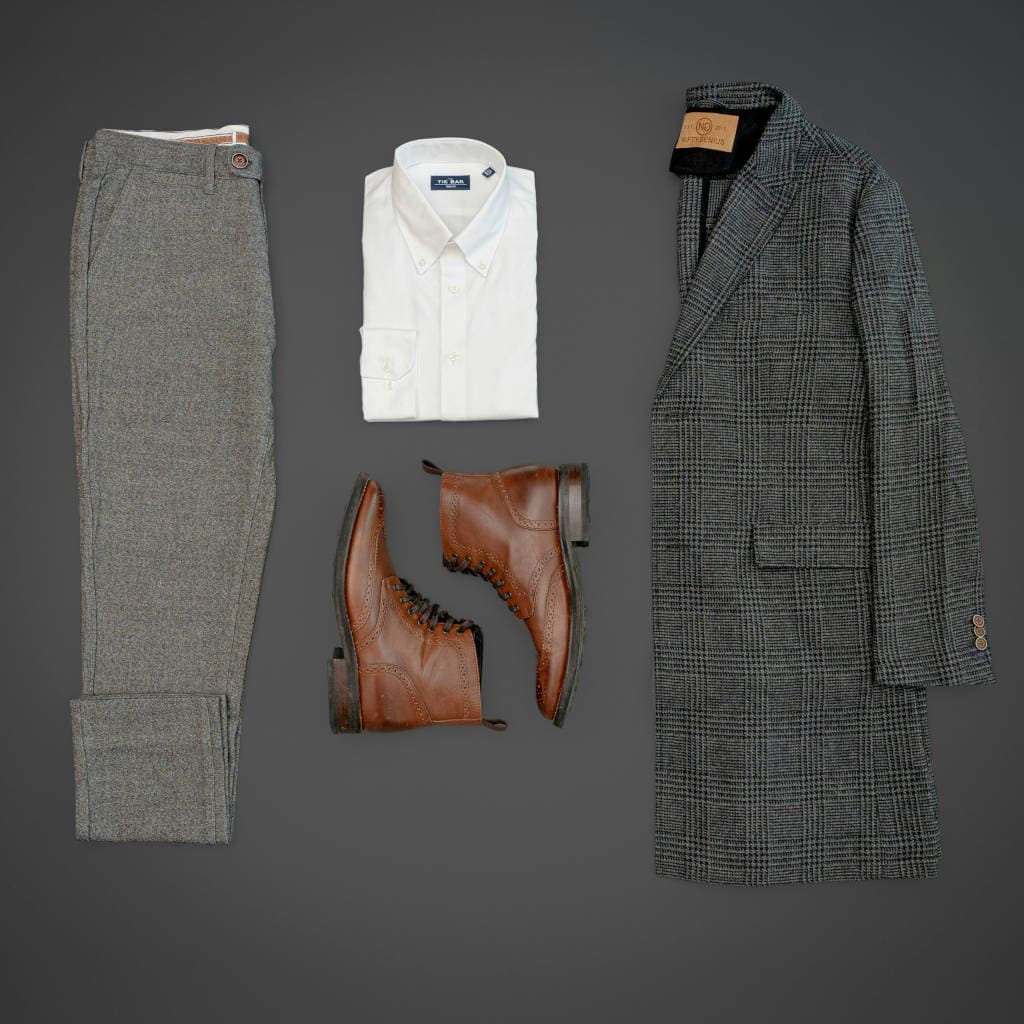
A compact set of compatible pieces gives you repeatable outfits without the clutter of duplicate roles.
The Key Is Not the Number
The real goal is not hitting a perfect number.
It is building a wardrobe where most items get worn regularly, everything pairs easily, and getting dressed is quick and simple.
A smaller wardrobe that rotates constantly will always outperform a large wardrobe filled with rarely worn items.
What matters most is versatility and frequency of use.
How to Identify Your Ideal Wardrobe Size
Step 1: Track What You Wear
For 30 days, track what you wear each day. Patterns appear quickly.
You will see which clothes you actually rely on.
Step 2: Identify True Essentials
After a month, you will notice your most-used items, pieces that work with everything, and clothes that never leave the hanger.
Those frequently worn pieces form your core wardrobe.
Step 3: Remove Redundancy
If you have five nearly identical shirts, multiple jackets serving the same purpose, or shoes you never reach for, you likely only need one or two of each role.
Simplifying reduces clutter and improves outfit choices.
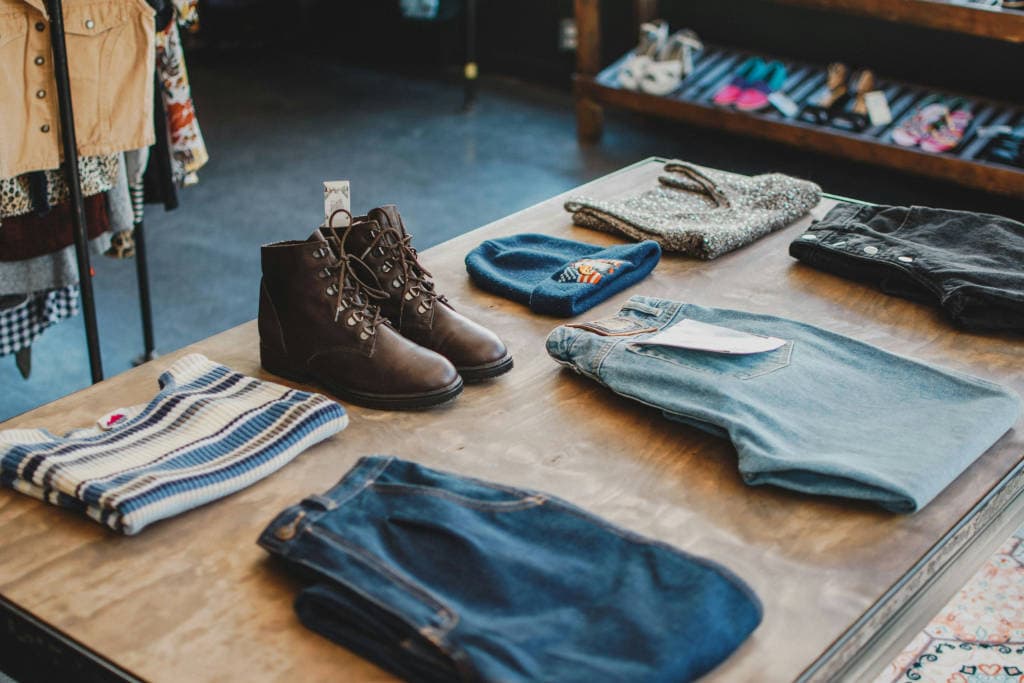
Tracking your daily outfits quickly reveals what is essential, what is redundant, and what can be removed.
Build a Wardrobe That Actually Works
The goal is not minimalism for its own sake.
It is creating a wardrobe that works every day, reduces decision fatigue, saves money over time, and makes getting dressed easier.
When you focus on rotation instead of accumulation, your wardrobe becomes far more useful.
Track Your Wardrobe With Attir
Understanding what you actually wear is the missing piece for most people.
Attir helps you track outfit usage, measure cost per wear, identify underused clothing, and build a wardrobe that works for your lifestyle.
Instead of guessing what you need, you can see exactly what your wardrobe is doing.