
Guide · 10 min read
Why Most Men Hate Shopping (And How to Build a Smarter Wardrobe)
The problem isn't your taste. It's a shopping system designed to overwhelm you. Here's how to fix it.
For a lot of men, shopping feels less like self-improvement and more like a chore
You walk into a store planning to buy one thing. Forty minutes later you're staring at ten nearly identical shirts, three different fits, five colour variations, and no real idea what actually works. Eventually you either buy something random or leave frustrated.
The common assumption is that men simply 'don't care about fashion.'
That's usually not true.
Most men do care about looking good. They care about confidence. They care about feeling comfortable. They care about looking capable, put together, and appropriate for the situation.
What they hate is the process.
And the reason the process feels painful is because modern shopping is often built around trends, impulse purchases, and endless choice - not practical decision making.
The problem isn't your taste - it's a shopping system designed to overwhelm you.
The real reasons men hate shopping
1. Too Much Choice Creates Decision Fatigue
Modern retail is built on overchoice.
Walk into most stores and you'll find:
- Slim fit
- Relaxed fit
- Athletic fit
- Cropped fit
- Vintage fit
- Oversized fit
And before that come colours, fabrics, and trends
And that's before colours, fabrics, seasonal trends, and brand differences enter the equation.
Psychologically, too many options don't make decisions easier. They make them harder.
Instead of feeling confident, most people start second-guessing themselves:
Is this too trendy?
Will this still look good next year?
Does this even work with anything I own?
The result is hesitation and frustration.
Many men respond by either buying nothing, or panic-buying items they never end up wearing.
2. Poor Fit Makes Everything Worse
Fit is one of the biggest reasons clothing feels disappointing.
A shirt can be expensive and still look bad if:
- The sleeves are too long
- The shoulders sit incorrectly
- The waist is too loose
- The proportions feel off
Sizing is wildly inconsistent between brands
The problem is that sizing is wildly inconsistent between brands.
A medium in one store might fit like a large somewhere else. Pants sizing changes between cuts. Online stores use different measurement systems entirely.
Eventually, many men stop trusting the process.
That's why shopping often feels risky rather than enjoyable.
3. Stores Prioritise Trends Over Real Life
A lot of retail environments are designed to push what's new - not what's useful.
That creates a disconnect between what looks good in a campaign and what actually works for everyday life.
Most men aren't building wardrobes for runway photoshoots.
They want clothing that works for:
- Commuting
- Dinners
- Weekends
- Travel
- Work
- Everyday confidence
But trend-driven retail often ignores practicality
But trend-driven retail often ignores practicality:
- Difficult colours
- Short-lived styles
- Awkward layering pieces
- Items that only work with highly curated outfits
This makes shopping exhausting
This makes shopping feel exhausting because nothing feels adaptable.
4. Online Shopping Created a New Problem: Sizing Confusion
Online shopping solved convenience but introduced uncertainty.
You can browse hundreds of products in minutes - but you can't:
- Feel the fabric
- Test movement
- Compare proportions
- Confirm fit
Every purchase becomes a gamble
So every purchase becomes a gamble.
Many men now own clothing that technically 'fits,' but never feels right enough to wear confidently.
The result? Closets full of unused clothing and the feeling that buying clothes is a waste of money.
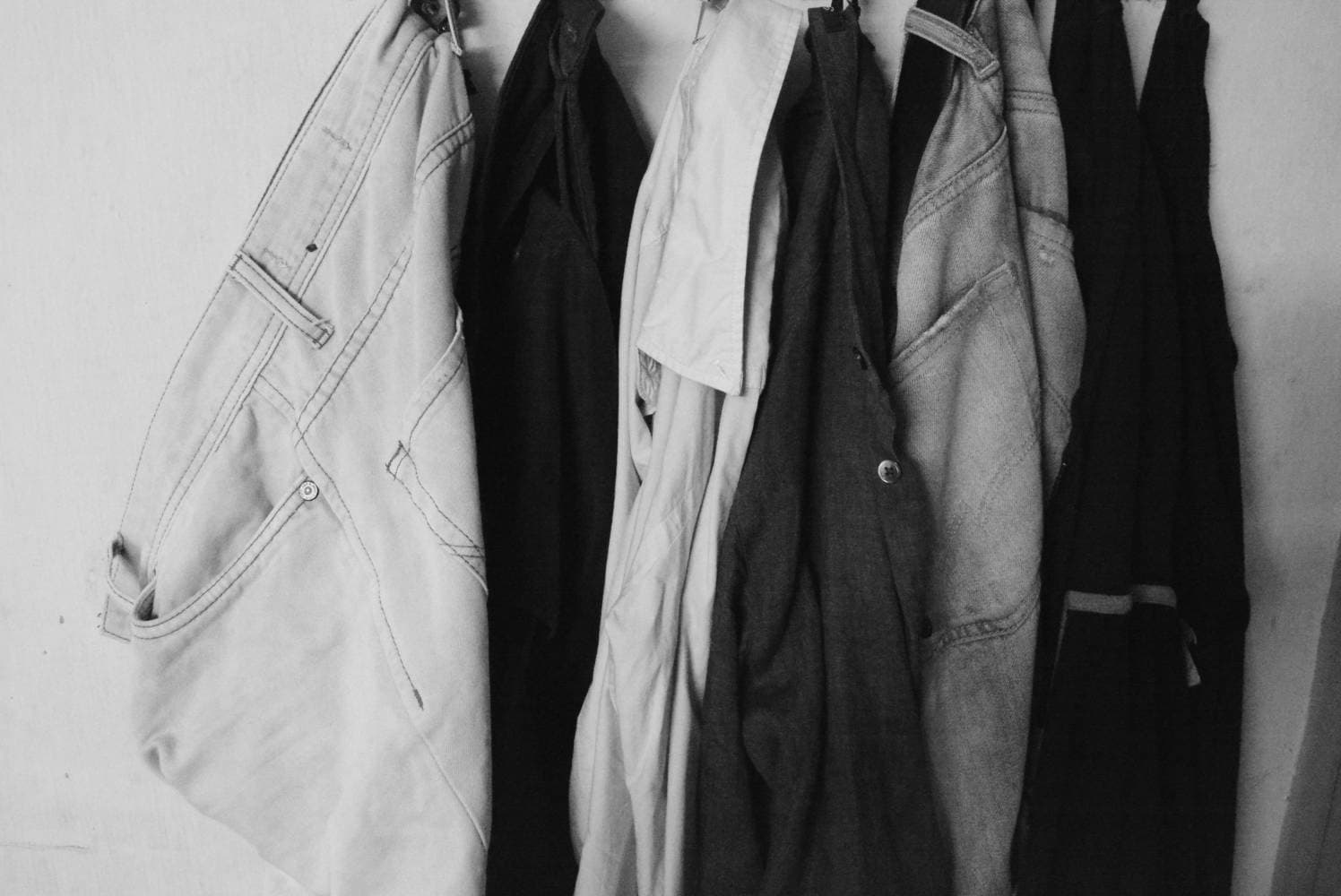
Most shopping frustration comes from poor choices, not lack of options. A cohesive color palette eliminates guesswork.
The better approach: Build a clothing system
The solution isn't becoming obsessed with fashion.
It's reducing friction.
The men who dress consistently well usually aren't making hundreds of style decisions every week. They've simply built a wardrobe system that works together.
That means:
- Fewer random purchases
- Better compatibility between items
- Reliable fit
- Clearer purpose behind every piece
One simple shift changes everything
Instead of asking: 'What should I buy today?'
You start asking: 'What does my wardrobe actually need?'
That single shift changes everything.
Great wardrobes are built like systems, not random collections.
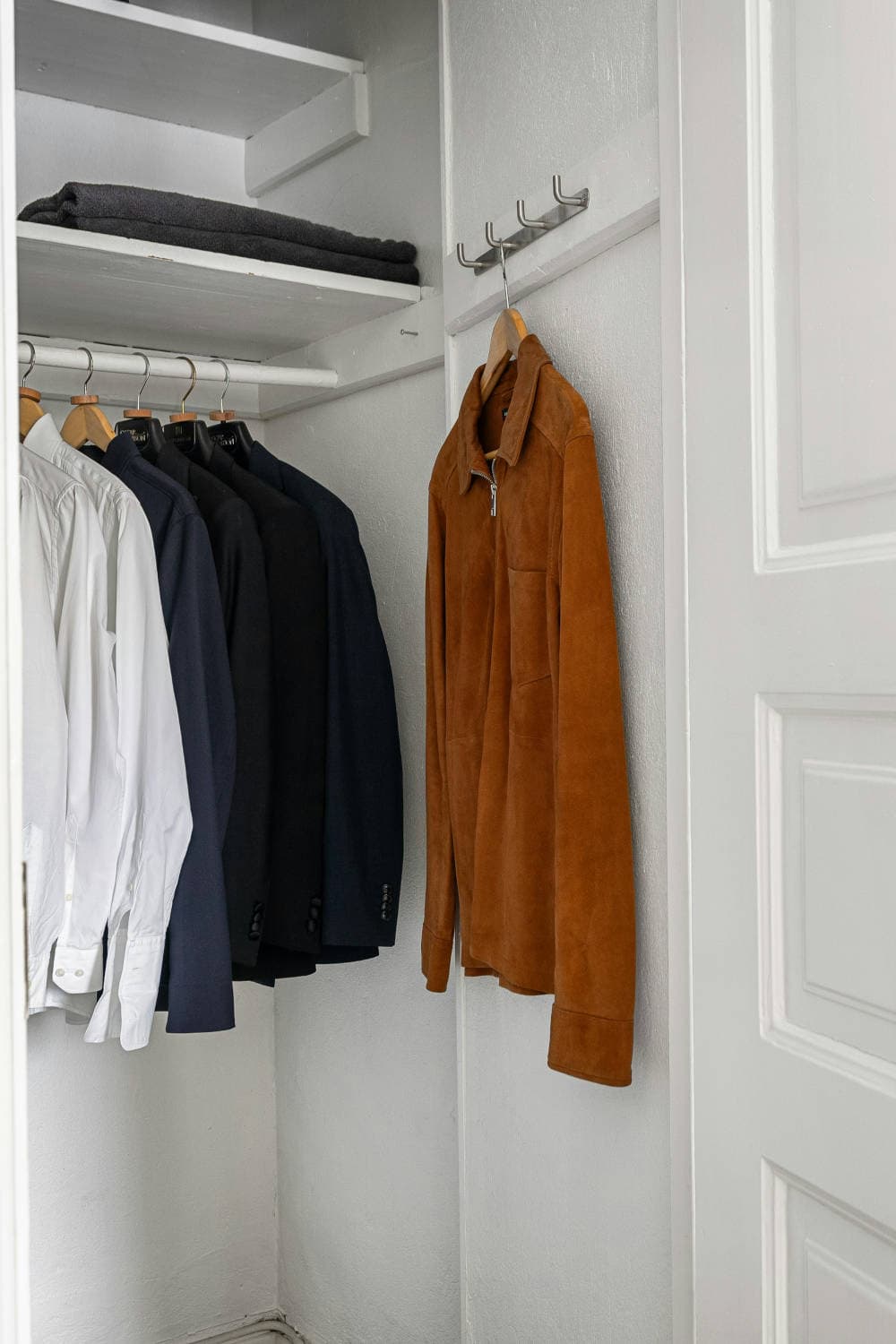
A system-based wardrobe replaces decision fatigue with clarity. Every item works together intentionally.
What a wardrobe system looks like
1. Consistent Colours
Neutral foundations make clothing easier to combine.
Think:
- Navy
- Charcoal
- Black
- White
- Olive
- Beige
- Denim
Consistency in colour drives compatibility
When most items work together naturally, getting dressed becomes faster.
2. Reliable Fits
Once you find cuts and brands that work for your body type, stop restarting the process every time.
Consistency reduces stress.
You don't need endless experimentation. You need dependable clothing that feels good every time you wear it.
3. Clothing With Clear Roles
Every item should serve a purpose.
Examples:
- A reliable everyday sneaker
- A versatile jacket
- A smart casual overshirt
- Trousers that work both casually and socially
Clear functions reduce impulse buying
When pieces have clear functions, impulse buying drops dramatically.
4. Buying Intentionally Instead of Emotionally
Random shopping creates random wardrobes.
System-based shopping means:
- Identifying gaps
- Replacing weak items
- Improving versatility
- Avoiding duplicate purchases
The goal is less friction
The goal isn't more clothing. The goal is less friction.
Why this matters beyond clothing
When your wardrobe works, daily life becomes easier.
You:
- Spend less time deciding
- Waste less money
- Feel more confident
- Remove unnecessary stress from your mornings
When every purchase has a purpose, getting dressed becomes easy.
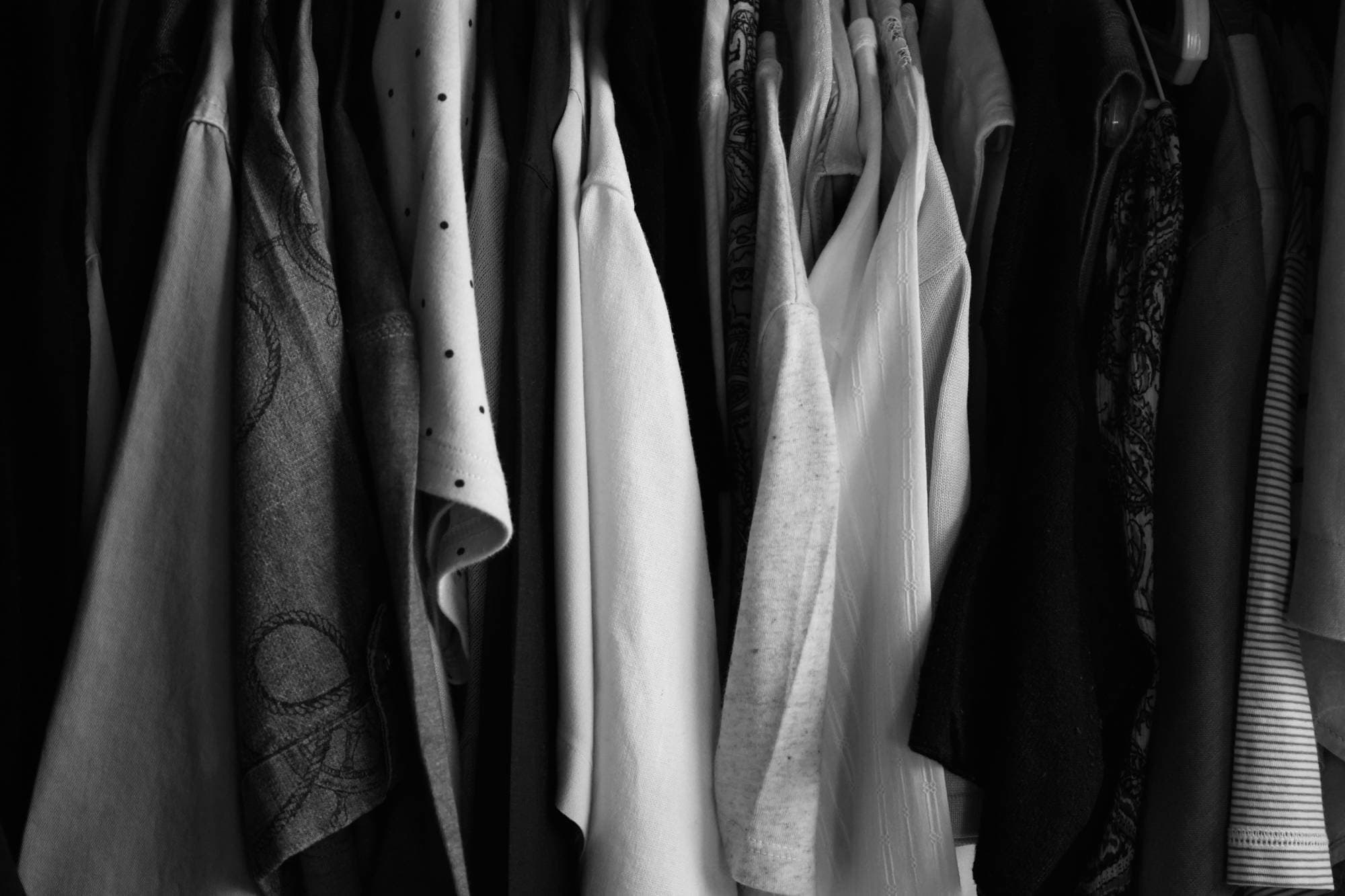
When pieces have clear roles and work together consistently, getting dressed becomes automatic.
Fix the system, fix the experience
That's why good style rarely starts with trends.
It starts with clarity.
Most men don't hate looking good.
They hate confusion.
Fix the system, and the entire experience changes.